Ataköy 7-8-9-10 Ataköy Towers A Blok Kat 14 No: 169, 34156 Bakırköy/İstanbul
Aesthetic Restoration (Composite - Ceramic)
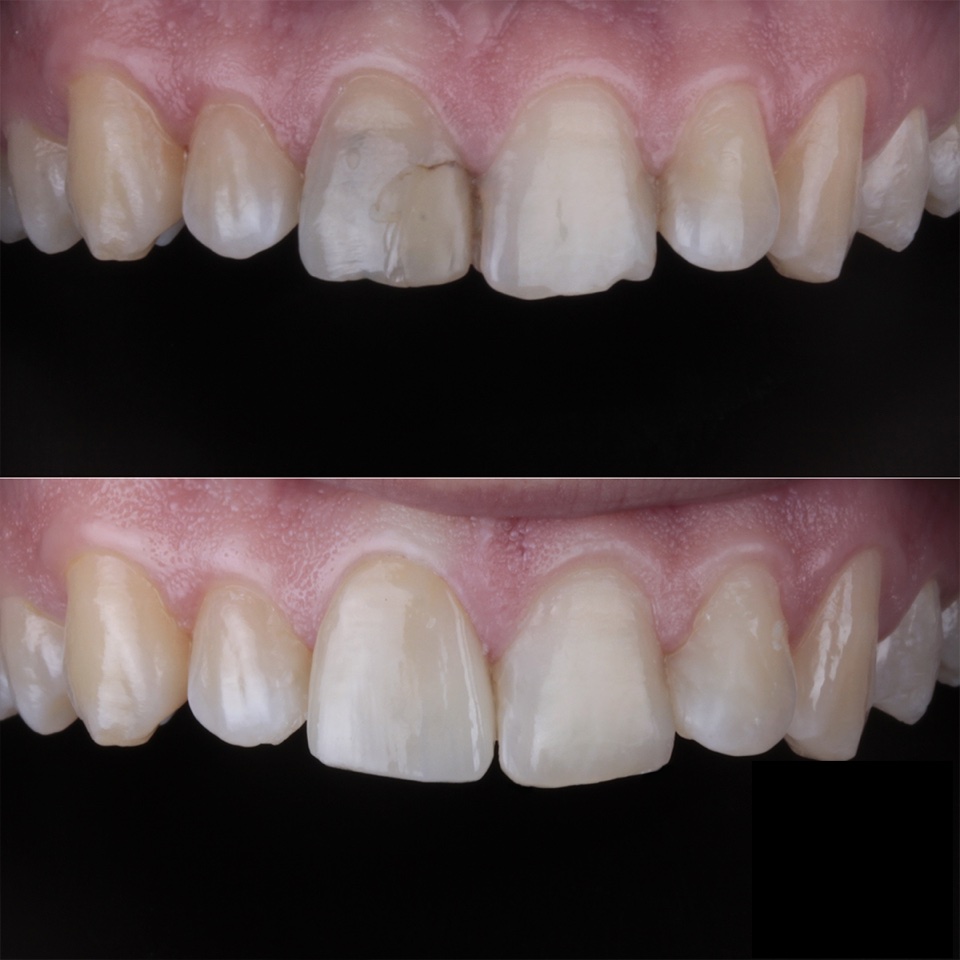
Composite veneers and edge bonding
- Photograph date
Treatment for this case was provided at Ismail Davut Capar Private Dental Clinic.
The results of any surgical or interventional procedure may vary from person to person. You are advised to obtain detailed advice from your physician before the procedure.
View this case in the archive ↗Aesthetic Restoration (Composite - Ceramic)
Aesthetic restoration includes several treatments that change tooth shape or colour, or replace lost tissue, using composite or ceramic. Planning should consider preservation of healthy teeth and gums, function and individual expectations. A single technique does not suit every tooth.
Assessment and treatment goals
The dentist assesses decay, gum disease, fractures, wear, the bite and any history of clenching or grinding. Expectations are discussed alongside existing tooth colour and tissue limitations. Dental disease is addressed before elective aesthetic work. Monitoring or a less invasive option should also be discussed before altering a healthy tooth. [1] [2]
Composite and ceramic options
Direct composite may be used for selected shape changes and defects and may offer opportunities for later repair. Ceramic veneers, inlays/onlays and crowns cover different amounts of tooth structure. Selection depends on the tissue that remains and the clinical need. A whiter material or more extensive coverage does not automatically make a treatment more suitable. [1] [3]
Preparation and limitations
Some procedures require removal of tooth tissue; procedures involving enamel preparation are irreversible. Photographs, impressions, digital records or a trial may be used when appropriate to explain the plan. Matching shape and colour is a treatment goal. Expected results, maintenance and potential changes over time should be discussed beforehand. [1] [2]
Aftercare
Composite can stain or wear; ceramic can fracture or detach. Natural tooth structure remains susceptible to decay. Brushing with fluoride toothpaste, cleaning between teeth and dental reviews continue after treatment. Seek reassessment for new biting pain, bleeding gums, loosening or breakage. The need for repair or replacement varies between individuals. [1]
Frequently asked questions
Does every tooth need a veneer or crown for an aesthetic change?
No. Monitoring, a limited composite addition or another restoration may be sufficient after assessment. The extent of treatment depends on the tooth’s needs.
Is ceramic always better than composite?
The options differ in tissue preparation, repairability, appearance and mechanical properties. Suitability is considered for the individual and the tooth.
Will restorations remain unchanged for life?
Wear, colour changes, fracture and changes in oral tissues can make maintenance or replacement necessary. A fixed appearance or lifespan cannot be guaranteed.
Related information: Composite restoration · Ceramic inlays and onlays.
This content provides general information. Diagnosis, suitability and treatment planning require an individual examination and any necessary investigations.
Related clinical cases
Published examples related to this topic.
