Ataköy 7-8-9-10 Ataköy Towers A Blok Kat 14 No: 169, 34156 Bakırköy/İstanbul
Composite Restoration
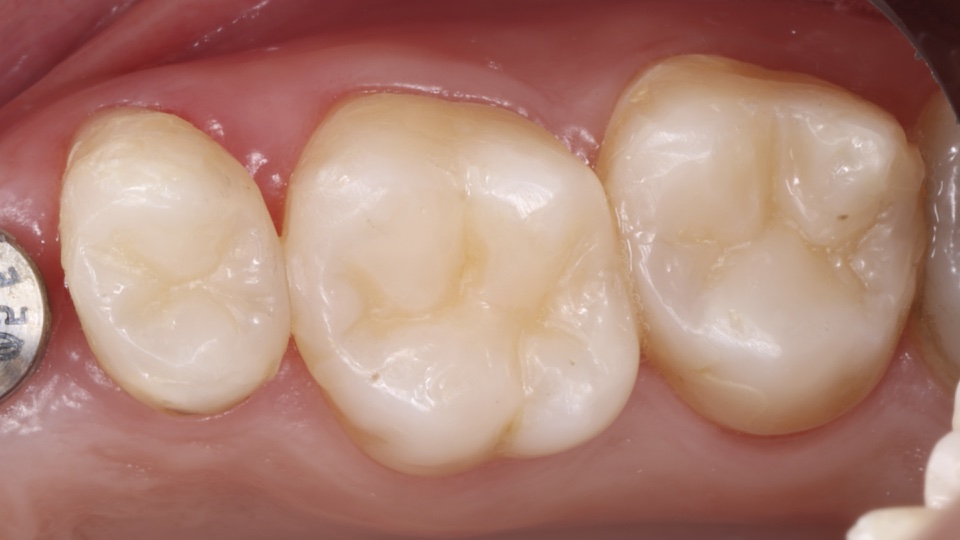
View of a composite restoration in posterior teeth
- Photograph date
Treatment for this case was provided at Ismail Davut Capar Private Dental Clinic.
The results of any surgical or interventional procedure may vary from person to person. You are advised to obtain detailed advice from your physician before the procedure.
View this case in the archive ↗Composite Restoration
A composite restoration replaces tooth tissue lost through decay or fracture with a tooth-coloured material. It can be used in front and back teeth. Suitability depends on the size of the defect, remaining tissue, biting forces and whether the treatment area can be kept dry.
When is a composite restoration considered?
Composite may be considered for small or medium defects, some fractures and selected changes to tooth shape. Assessment includes decay depth, the condition of the pulp, cracks and existing restorations. Ceramic inlays/onlays or crowns may also be discussed for larger losses. Different cavities can require different approaches. [1] [3]
How does treatment proceed?
Local anaesthesia is used when appropriate. The area is prepared and protected from saliva. An adhesive system and composite are placed using the selected technique and hardened with a curing light. The restoration is shaped, polished and checked against the opposing teeth. Appointment length and number depend on the tooth; deep decay may require additional assessment. [2]
Limitations and maintenance
Composite can wear, stain or fracture, and new decay may develop around a restoration. Some defects can be adjusted or repaired rather than requiring complete replacement. Fluoride toothpaste, cleaning between teeth and individual follow-up appointments remain important. Tooth grinding or clenching may also affect the treatment plan. [1] [3]
When should the tooth be checked again?
Ask for a review if the filling feels high, sensitivity persists or increases, biting becomes painful or part of the restoration breaks. Spontaneous pain or swelling also requires assessment. A single lifespan cannot be promised for all fillings: oral care, defect size and biting loads affect the outcome.
Frequently asked questions
Can a composite filling be completed in one visit?
Many direct composite fillings can be completed in one appointment. Several teeth, deep decay or additional treatment needs can change the schedule.
Does a damaged filling always need complete replacement?
Polishing, repair or replacement may be options depending on the defect. Examination and, when needed, imaging guide the decision.
Is composite or ceramic more suitable?
Remaining tooth structure, the bite and the treatment area are assessed together. One material is not the best choice for every tooth.
Related information: Ceramic inlays and onlays · Comparing composite and ceramic restorations.
This content provides general information. Diagnosis, suitability and treatment planning require an individual examination and any necessary investigations.
Related clinical cases
Published examples related to this topic.
