Ataköy 7-8-9-10 Ataköy Towers A Blok Kat 14 No: 169, 34156 Bakırköy/İstanbul
Porcelain Filling
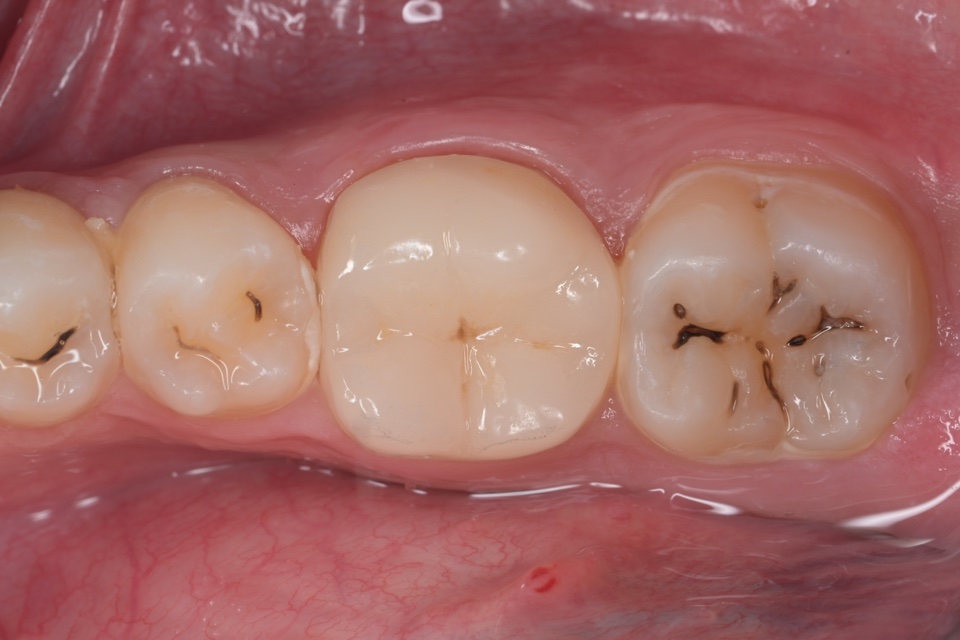
Indirect porcelain restoration
- Photograph date
- Treatment completed
Treatment for this case was provided at Ismail Davut Capar Private Dental Clinic.
The results of any surgical or interventional procedure may vary from person to person. You are advised to obtain detailed advice from your physician before the procedure.
View this case in the archive ↗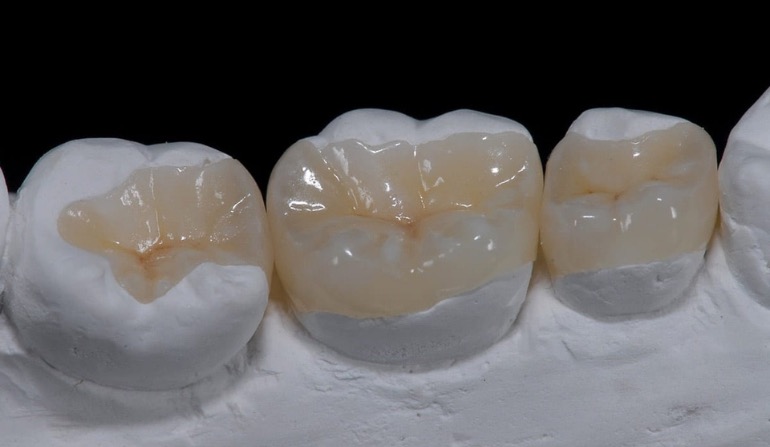
Porcelain Filling
Ceramic inlays and onlays are restorations made outside the tooth and then fitted to it. An inlay replaces a defect within the chewing surface; an onlay also covers weakened cusps when needed. The aim is to restore function while considering the sound tooth structure that remains.
Which teeth may be suitable?
Assessment considers defect size, remaining walls, cracks, previous root canal treatment and biting forces. A direct composite may be sufficient for some teeth; others need more extensive coverage. Ceramic is not selected solely for appearance. Whether the tooth can be restored and whether its margins can be cleaned also matter. [1] [3]
Preparation and placement
An impression or digital scan is taken after the necessary preparation. The restoration is made in a laboratory or with a suitable in-office production system, so the number of appointments varies. Fit, contact with adjacent teeth and the bite are checked before placement. The material and the conditions required for bonding are assessed together. [2]
Limitations and alternatives
Ceramic restorations can fracture or become detached; sensitivity and new decay may also occur. Preparation may remove sound tissue and is irreversible. Repair of an existing filling, direct composite or a crown may be alternatives in selected cases. Expected benefit, tissue removal and possible future replacement should be discussed before treatment. [1] [2]
Maintenance and review
The tooth and restoration margins require regular cleaning. Fluoride toothpaste, interdental care and planned dental reviews remain important. Arrange assessment if the restoration loosens or breaks, biting hurts or sensitivity increases. Lifespan varies between teeth and individuals; ceramic restorations can require maintenance, repair or replacement over time.
Frequently asked questions
Is a ceramic inlay or onlay the same as a crown?
No. An inlay or onlay restores or covers selected parts according to the defect and protection needed. A crown surrounds more of the tooth.
Can it be made in one appointment?
This may be possible with suitable in-office equipment and clinical conditions. Laboratory work or additional treatment can require further appointments.
Can a tooth with a ceramic restoration decay again?
Natural tooth tissue around a restoration can develop decay. Daily cleaning and control of decay risk must continue after treatment.
Related information: Composite restoration · Composite filling or ceramic inlay/onlay?.
This content provides general information. Diagnosis, suitability and treatment planning require an individual examination and any necessary investigations.
Related clinical cases
Published examples related to this topic.
