Ataköy 7-8-9-10 Ataköy Towers A Blok Kat 14 No: 169, 34156 Bakırköy/İstanbul
Blog & News

Blog & News
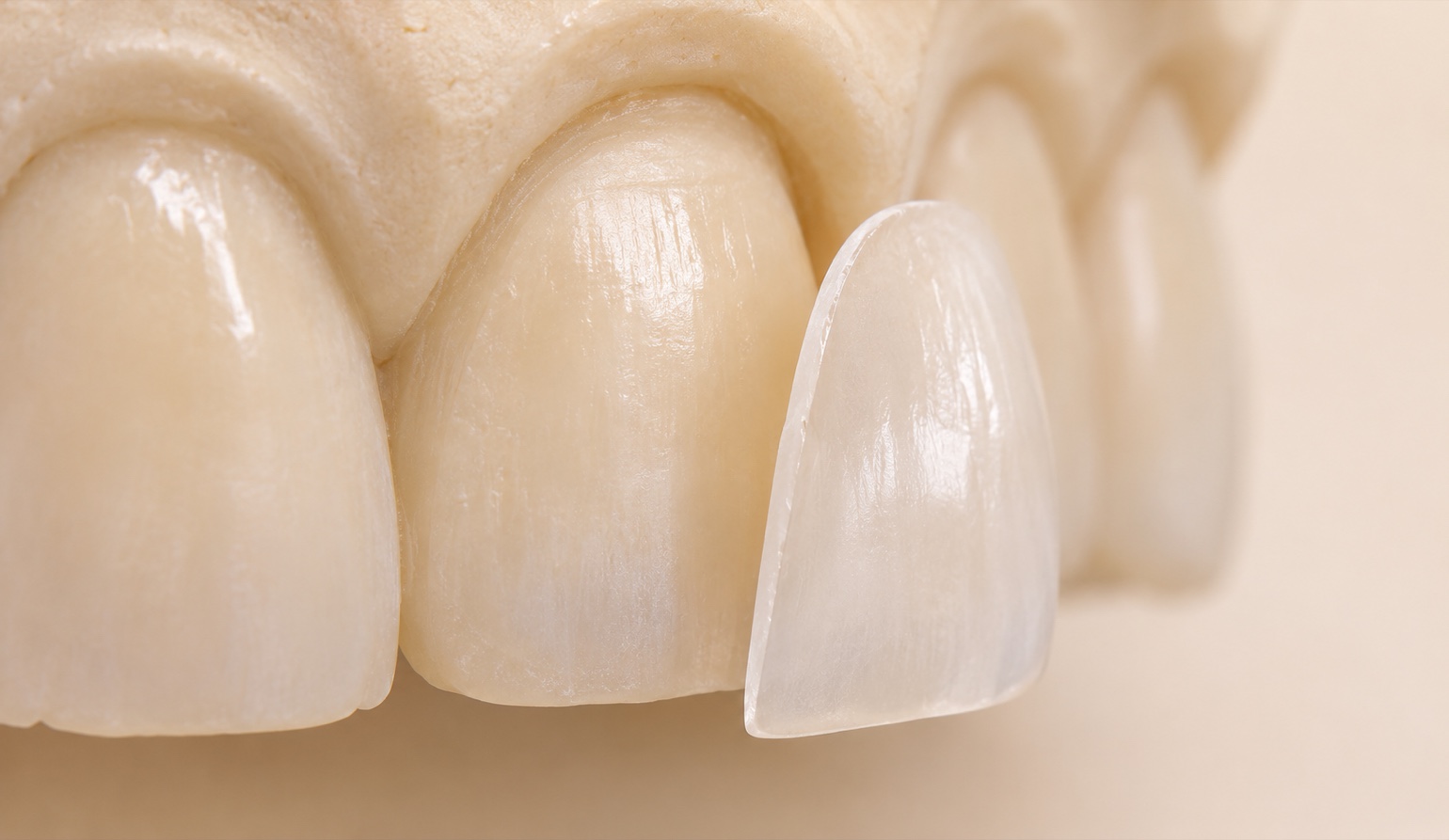
There is a dark line at the edge of my porcelain veneer. Could it be decay?
Why a dark line may appear at the edge of a veneer and what the dentist checks.
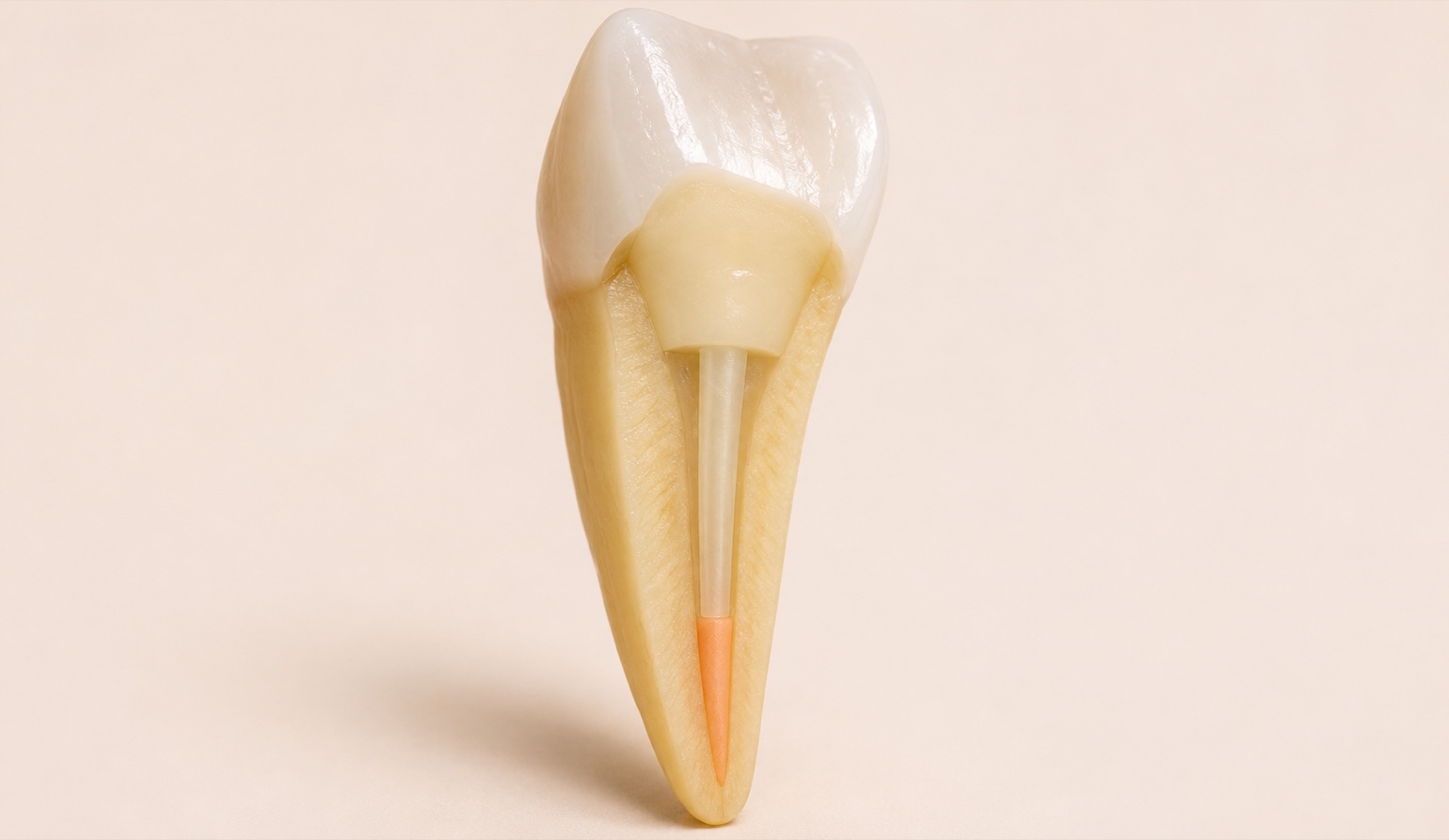
Why has a fibre post been suggested if I still have my tooth root?
Learn what a fibre post does after root canal treatment and when a dentist may consider one.
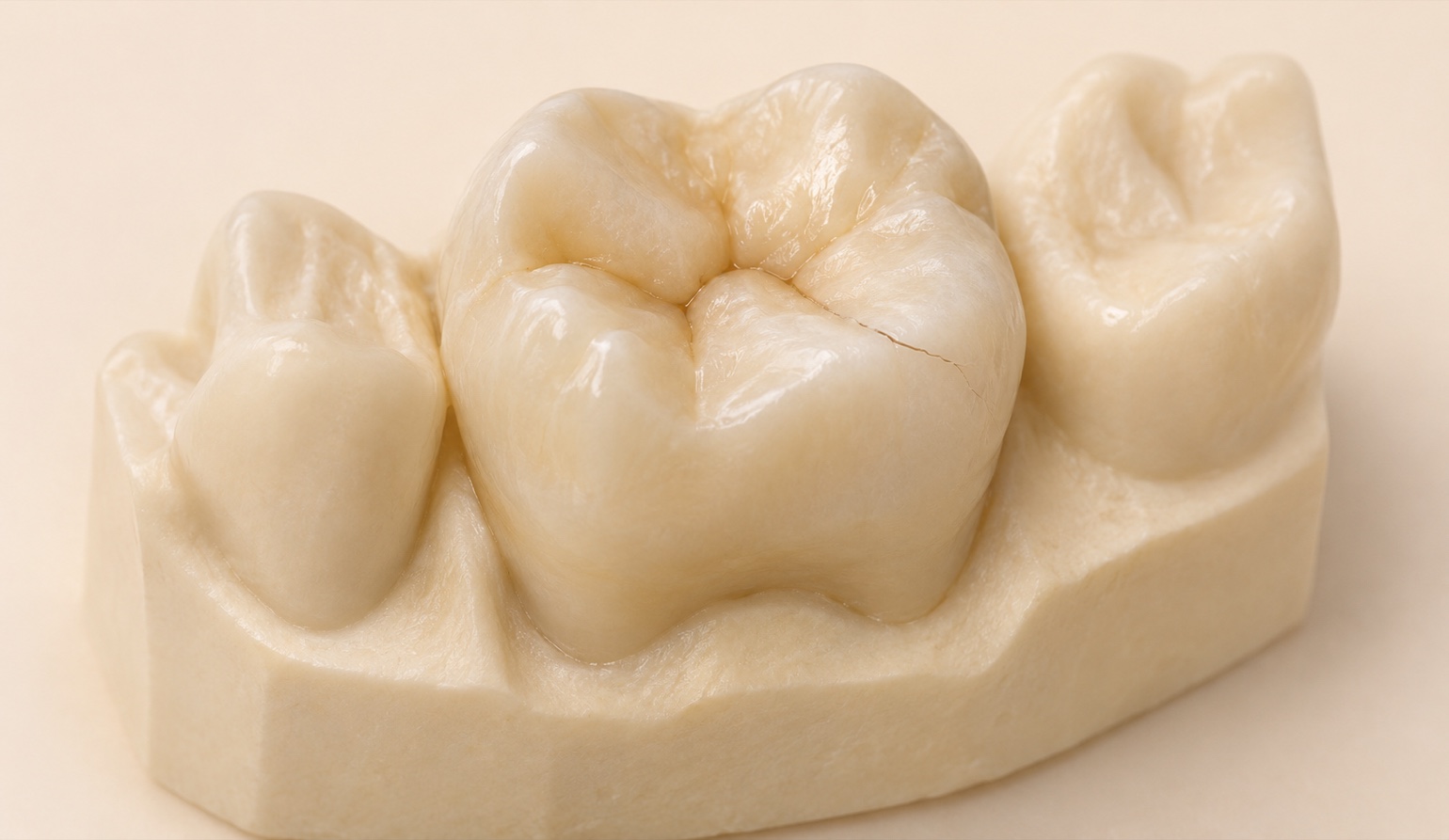
My tooth hurts when I release my bite. Could it be cracked?
Learn why a tooth can hurt when you release your bite and what the dentist checks if they suspect a crack.
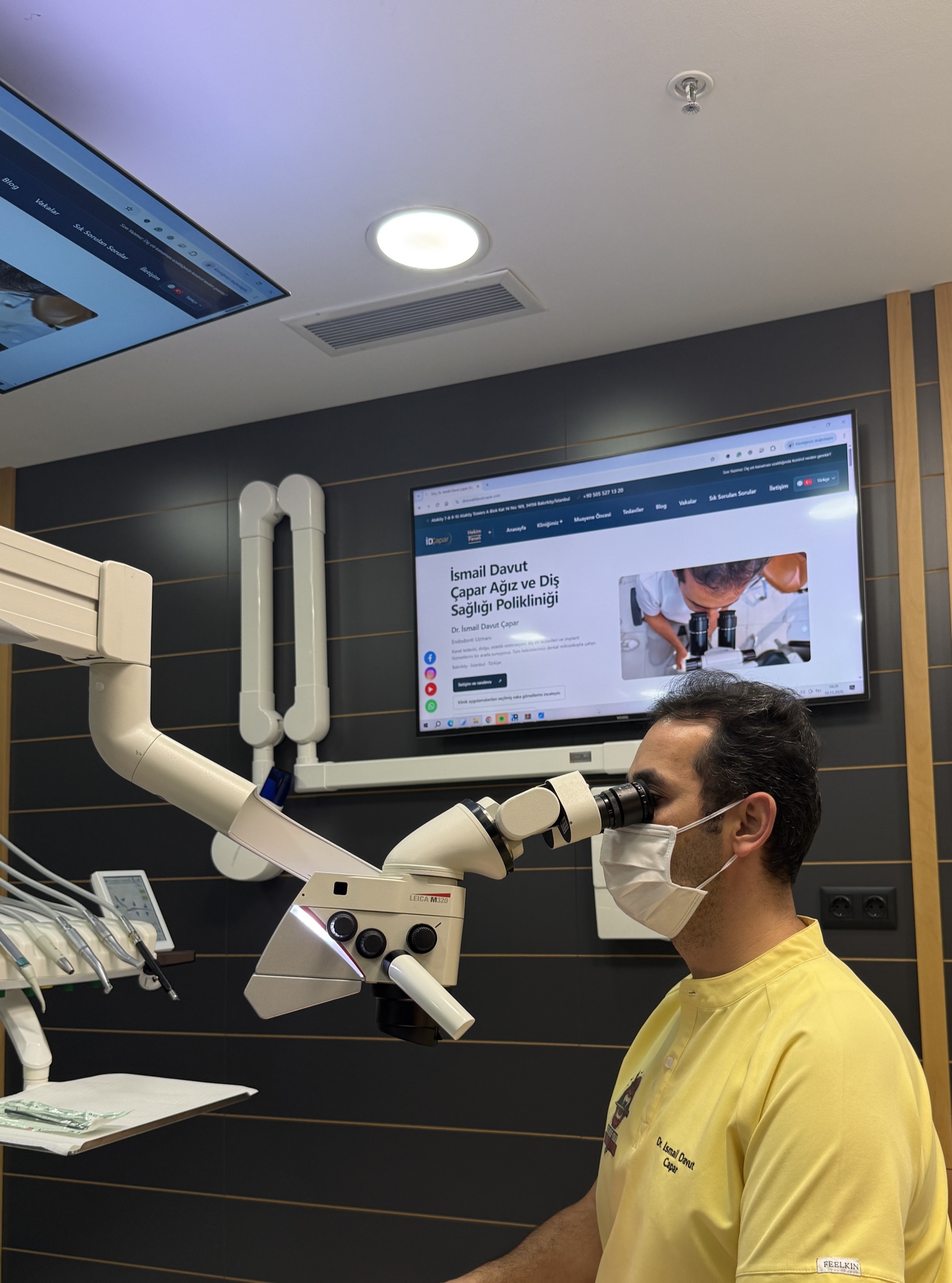
Microscopes and magnification in dentistry: What are they for and when are they used?
Some parts of teeth and root canals are very small. Dentists may use magnifying glasses or a dental microscope when assessing these areas. Magnification makes details in the field of view easier to distinguish; the microscope's light also helps illuminate the working area. These tools support the dentist's examination and treatment planning.

Can you have root canal treatment during pregnancy?
Pregnancy alone is not a reason to delay necessary root canal treatment. Timing and treatment details are planned individually.
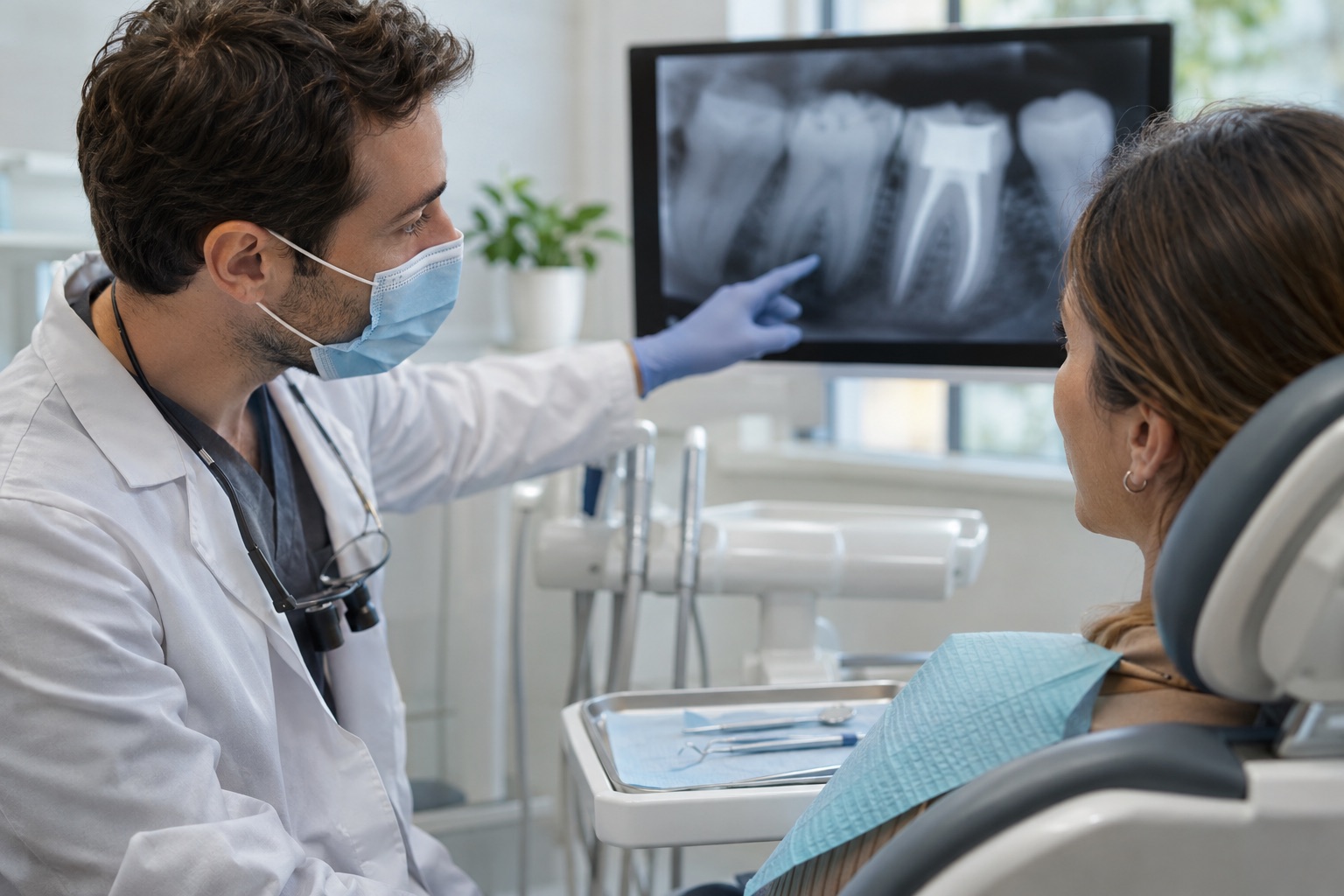
How can we tell whether root canal treatment has been successful?
Pain relief after root canal treatment is encouraging. Examination, follow-up images and the final restoration also matter when assessing the outcome.
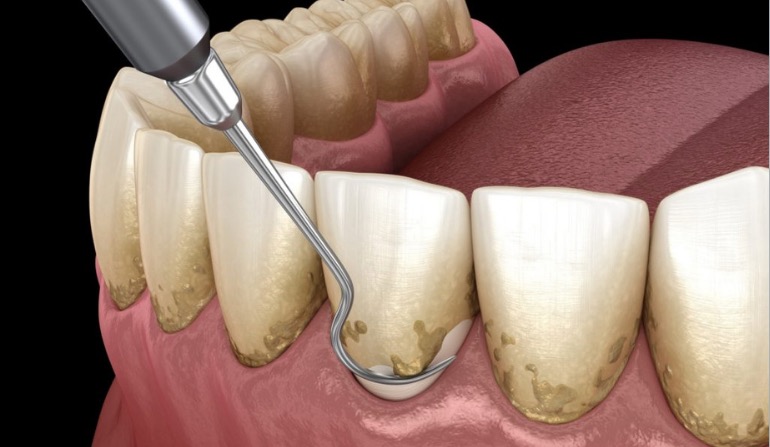
Why keep your gum check-up if the bleeding has eased?
After gum treatment, your dentist takes measurements to see which areas have healed and which may need more care.
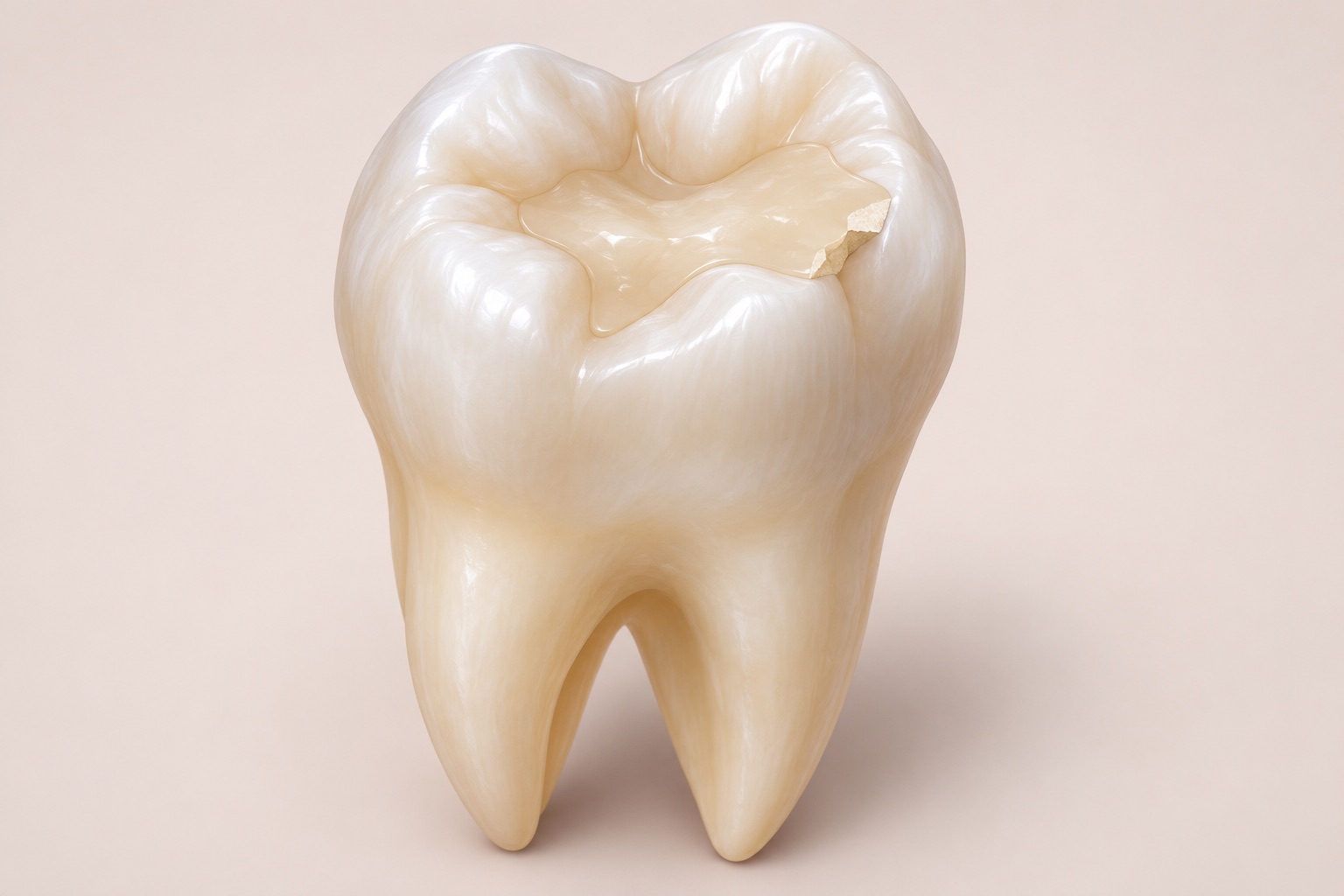
Part of my filling has chipped. How does a dentist decide whether to repair it?
When a filling chips, your dentist checks whether the tooth has fractured and how much of the filling is still sound. What makes repair or replacement a reasonable option?

Does Jaw Clicking Always Mean a Joint Disorder?
Explains why a painless joint sound alone often needs no treatment. Covers changes in function, assessment, warning signs and a reversible approach when treatment is appropriate.

Which Dental Abscess Symptoms Require Urgent Assessment?
Distinguishes prompt dental assessment for a suspected abscess from signs requiring emergency medical care. Explains why antibiotics do not automatically replace dental treatment and why prescribing decisions are individual.
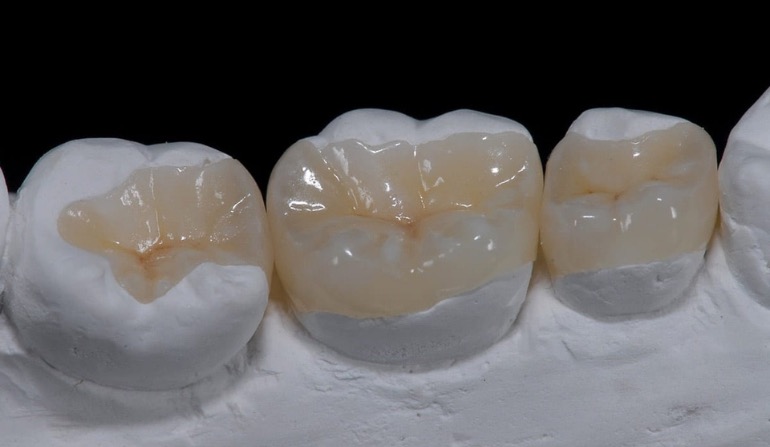
Composite Filling or Ceramic Inlay/Onlay?
Compares composite and ceramic restorations without ranking one as universally better. Explains inlays and onlays, preservation of tooth tissue, appointments and repair options.
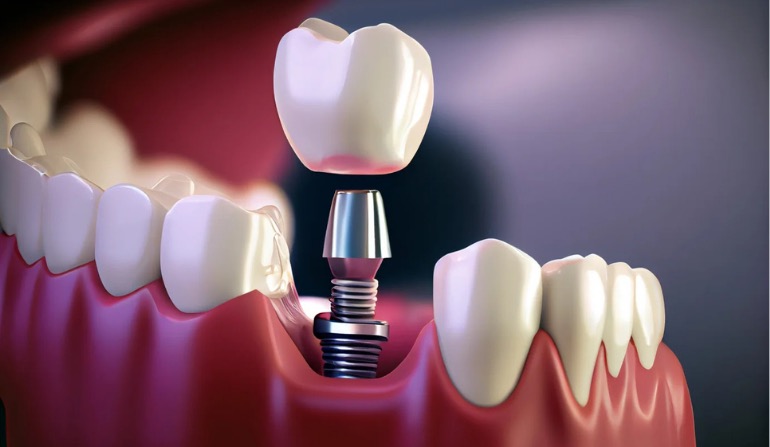
What Is Assessed Before Dental Implant Treatment?
Explains why suitability needs more than an X-ray, considering restoration planning, anatomy, individual risks, alternatives and long-term care together.
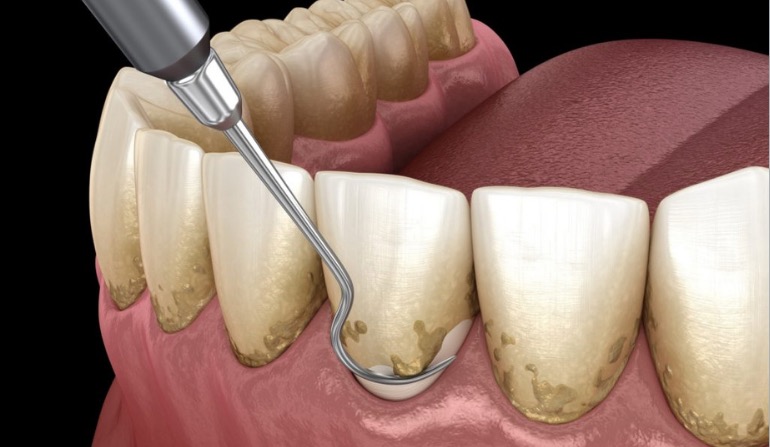
Why Do Gums Bleed and When Should They Be Assessed?
Explains possible causes of recurrent bleeding, distinguishes gingivitis from periodontitis, and describes the roles of medical history, examination and daily care.

Why Can a Root-Treated Tooth Hurt? Healing Versus Warning Signs
Explains why tenderness soon after treatment differs from new or worsening pain later. Covers restoration, bite, crack and infection considerations without diagnosing the reader, and explains that retreatment is not automatic whenever pain occurs.

How Long Does a Root Canal Take? Appointment Length and Number of Visits
The number and length of visits depend on canal anatomy, infection, previous treatment and the restoration the tooth needs.
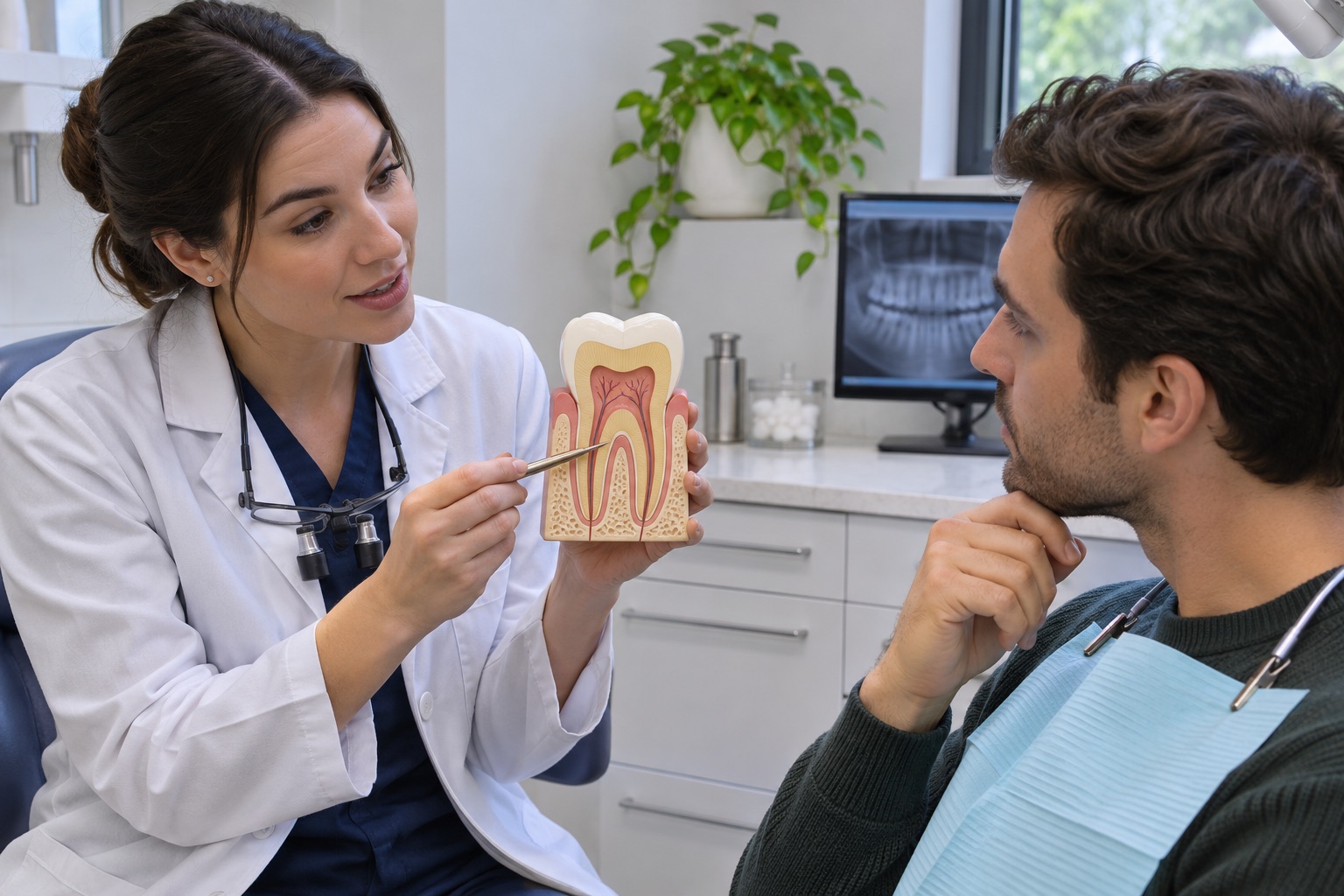
What Is Root Canal Treatment? The Procedure and Common Questions
Learn why root canal treatment may be considered, how the procedure is performed and what to expect afterwards.
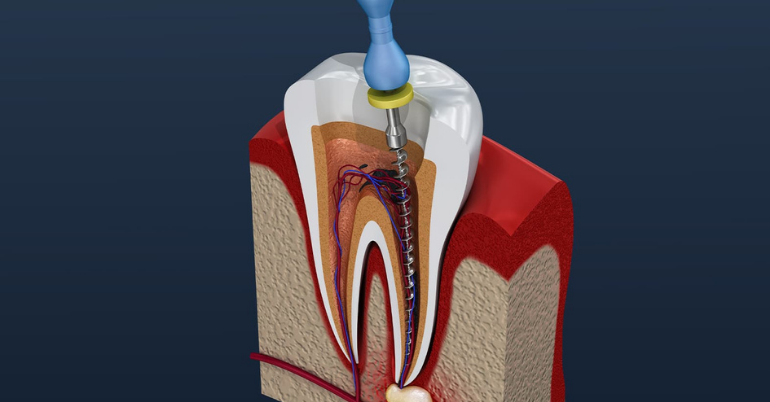
Care After Root Canal Treatment
General information about eating, oral hygiene, protecting a temporary restoration and symptoms that warrant contacting your clinician after root canal treatment.
