Ataköy 7-8-9-10 Ataköy Towers A Blok Kat 14 No: 169, 34156 Bakırköy/İstanbul
Curettage
Curettage
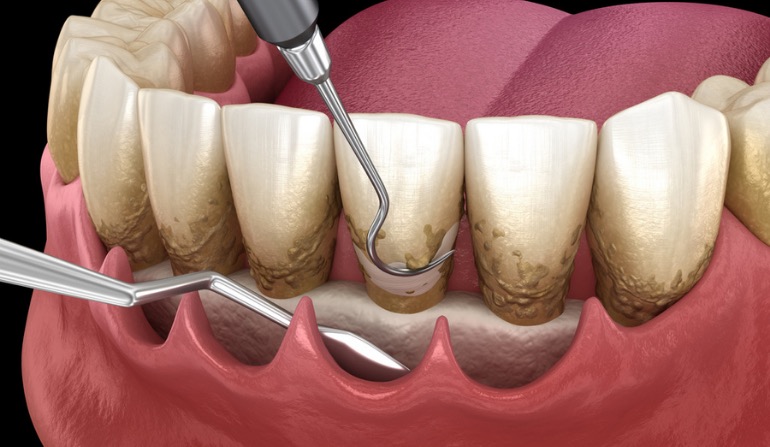
The term curettage is often used informally for cleaning plaque and calculus from root surfaces beneath the gums. Contemporary periodontal treatment is planned from pocket measurements and the condition of the supporting tissues. The aim is to reduce deposits contributing to disease and help control inflammation.
When is it considered?
Bleeding, periodontal pockets or loss of support calls for a periodontal examination. Pocket measurements and appropriate radiographs help identify the sites requiring treatment. The decision is not based only on visible calculus. Home care, smoking and general health factors also form part of the assessment. [2] [3]
How is cleaning performed?
Hand instruments, ultrasonic instruments or an appropriate combination remove deposits below the gumline. Local anaesthesia may be used for comfort. Several appointments may be needed depending on the extent of disease. Treatment includes personalised home-cleaning instruction. Antibiotics or other additional measures are not automatically required for every patient. [1] [2]
Healing and reassessment
Temporary sensitivity or discomfort may follow treatment. As inflammation subsides, swollen tissues can shrink and root surfaces may become more visible. Bleeding and pocket measurements are reassessed after healing. Persistent disease can require further cleaning or consideration of surgery; a guaranteed result from a single session should not be expected. [1] [3]
Maintaining the result
Daily plaque control and individually planned supportive periodontal reviews continue after treatment. Cleaning does not guarantee regeneration of all previously lost bone. Contact the dentist for increasing swelling, pus, unexpectedly severe or persistent pain, or bleeding that cannot be controlled. Follow-up visits allow healing and the response to treatment to be assessed. [1] [3]
Frequently asked questions
Is this the same as a routine scale and polish?
Cleaning root surfaces within periodontal pockets can require different access and planning. Examination determines the extent of treatment required.
Is all gum tissue scraped away?
Contemporary treatment focuses on removing plaque and calculus that contribute to disease. Any separate surgical procedure is explained and planned individually.
Will further treatment be needed?
Reassessment may identify a need for additional procedures. Supportive care and daily cleaning continue even after disease has been brought under control.
Related information: Comprehensive gum disease treatment · Graft options for gum recession.
This content provides general information. Diagnosis, suitability and treatment planning require an individual examination and any necessary investigations.
Related clinical cases
An example of this treatment has not yet been published in this section.
