Ataköy 7-8-9-10 Ataköy Towers A Blok Kat 14 No: 169, 34156 Bakırköy/İstanbul
Dental Implant
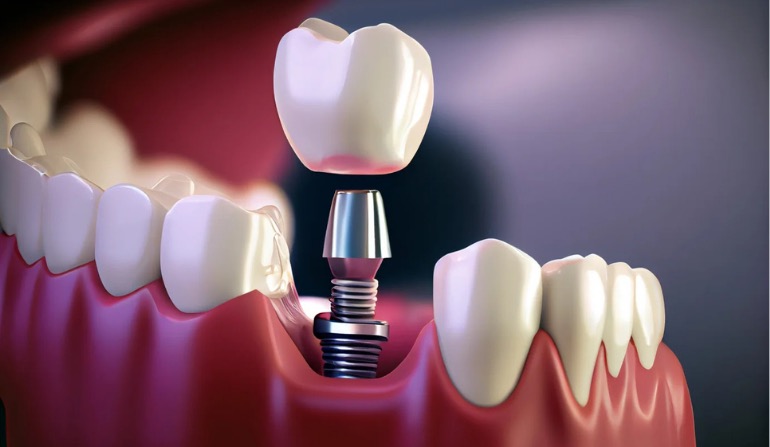
Dental Implant
A dental implant is placed in the jawbone to support a crown, bridge or denture replacing a missing tooth or teeth. It is not necessary or suitable for every gap. Assessment considers the planned prosthesis, oral tissues, general health and the ability to maintain the result.
How is suitability assessed?
The dentist examines gum health, decay, available bone, nearby anatomical structures and the bite, using appropriate imaging when needed. Medical conditions, medicines and smoking are considered. Active periodontal disease needs attention. Preservation of a restorable natural tooth and alternatives such as bridges or removable dentures are also discussed. [1] [2] [3]
Surgical and prosthetic stages
After necessary preliminary care, implant placement, healing and construction of the prosthesis are planned. Bone augmentation may be considered in some people, but it is not required or possible in every case. Timing of placement and loading depends on clinical conditions. Immediate fixed teeth or a particular completion time cannot be promised to everyone. [1] [3]
Possible risks and limitations
Complications can include infection, healing problems, failure to integrate with bone, injury to adjacent structures, gum recession or problems with prosthetic components. Risks specific to the site are explained before surgery. An implant remaining in place does not mean its prosthesis will never need maintenance, repair or replacement. [1]
Long-term care
Implants do not develop tooth decay, but the surrounding gum and bone can become diseased. Access for daily cleaning, suitable interdental aids and regular reviews are important. Seek assessment for bleeding, swelling, an unpleasant taste, pain or loosening. Risks such as smoking and a history of periodontitis are considered in maintenance planning. [2]
Frequently asked questions
Can everyone have an implant?
Suitability requires examination of oral tissues alongside general health and the planned prosthesis. One scan or a person’s age alone is insufficient to make the decision.
What if there is insufficient bone?
Additional bone treatment may be considered in some cases. Benefits, risks, timing and alternatives to implants are assessed separately.
Do implants need less care than natural teeth?
The implant and its prosthesis require regular cleaning and professional monitoring. They should not be viewed as a maintenance-free, lifelong solution.
Related information: Gum health before implant treatment · Factors assessed before dental implant treatment.
This content provides general information. Diagnosis, suitability and treatment planning require an individual examination and any necessary investigations.
Related clinical cases
An example of this treatment has not yet been published in this section.
