Ataköy 7-8-9-10 Ataköy Towers A Blok Kat 14 No: 169, 34156 Bakırköy/İstanbul
Snoring Treatment
Snoring Treatment
Assessment of snoring first considers whether obstructive sleep apnoea may be present. Witnessed pauses in breathing, waking with choking or marked daytime sleepiness require assessment by an appropriate physician or sleep service. An oral appliance is one treatment option for selected individuals.
Diagnosis and treatment planning
Snoring alone cannot establish a diagnosis of sleep apnoea. A sleep physician may arrange a home or laboratory sleep study. Treatment depends on the diagnosis, severity, general health and preferences. Options including CPAP are discussed. An existing treatment should not be stopped simply because a dental appointment has been arranged. [1] [2]
The dentist’s role
An oral appliance may be considered for primary snoring after apnoea has been excluded, or for sleep apnoea when considered appropriate by the treating physician. This may include adults unable to tolerate CPAP or preferring an alternative. Teeth, gums, existing prostheses and jaw joints are examined to assess suitability for a custom, adjustable appliance. [1] [3]
Fitting and follow-up
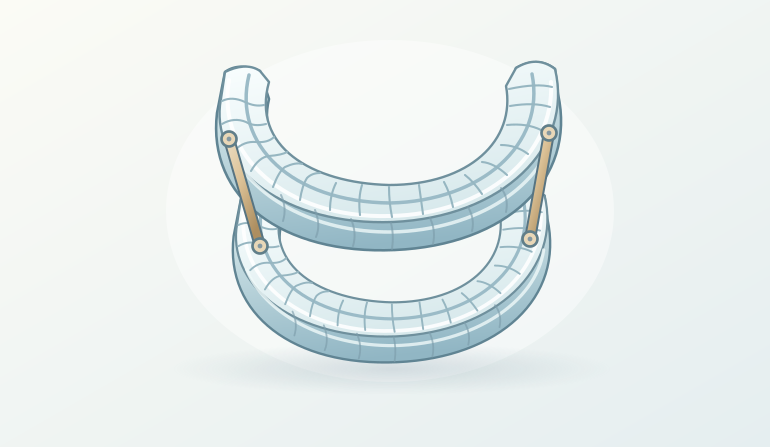
A mandibular advancement appliance is made from impressions or a scan and adjusted progressively to hold the lower jaw forward. Reduced snoring alone does not prove that apnoea is controlled. Follow-up sleep testing may be needed. Dental and medical reviews monitor both breathing outcomes and the condition of teeth and jaw tissues. [1] [3]
Limitations and warning signs
Tooth or jaw discomfort, changes in saliva and changes in the bite over time can occur. Suitability, side effects and response require review, and benefits vary. Do not delay medical assessment for daytime sleepiness, witnessed pauses in breathing or waking with choking. Avoid driving or operating hazardous equipment when sleepy. [1] [2]
Frequently asked questions
Is an appliance bought online sufficient?
It does not replace assessment for sleep apnoea or an individual treatment plan. Unsupervised use can delay suitable treatment or cause dental and jaw problems.
Can I stop CPAP when I receive an oral appliance?
This decision is made with the sleep physician after response is assessed. Do not stop CPAP or another prescribed treatment yourself.
Does quieter snoring mean that apnoea is resolved?
No. Less noise does not establish adequate control of breathing events. The physician may request follow-up sleep testing.
Related information: Assessment of jaw joints and muscles · Gum health before oral appliance treatment.
This content provides general information. Diagnosis, suitability and treatment planning require an individual examination and any necessary investigations.
Related clinical cases
An example of this treatment has not yet been published in this section.
