Ataköy 7-8-9-10 Ataköy Towers A Blok Kat 14 No: 169, 34156 Bakırköy/İstanbul
Root Canal Treatment
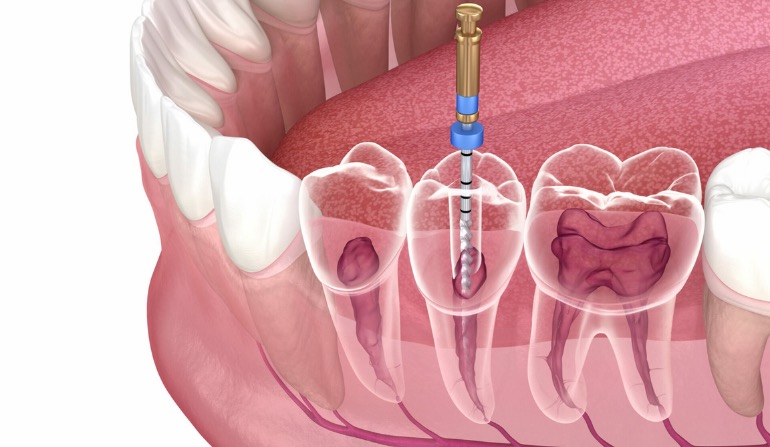
Root Canal Treatment
Root canal treatment may be considered when the pulp inside a tooth is irreversibly inflamed or infected. Diseased tissue is removed, and the canals are cleaned, disinfected and filled. The aim is to preserve the natural tooth where appropriate. The decision depends on examination and necessary tests, rather than pain alone.
When might it be needed?
Deep decay, injury, cracks or extensive restorations can affect the pulp. Lingering hot or cold sensitivity, biting pain or swelling may require assessment; some affected teeth are painless. These symptoms do not establish a need for root canal treatment on their own. Whether the tooth can be restored and the available alternatives are also assessed. [1] [2]
What happens during treatment and restoration?
Local anaesthesia is used when appropriate and a dental dam isolates the tooth from saliva. After access is prepared, the canals are cleaned, shaped, disinfected and filled. A permanent filling, onlay or crown is planned according to the remaining tooth tissue. A crown is not automatically required for every tooth; canal treatment and the final restoration are complementary stages. [1] [2]
Time, comfort and limitations
The number of appointments depends on canal anatomy, infection, previous procedures and restorative needs. An exact duration or a completely pain-free experience cannot be promised for everyone. Persistent disease, renewed leakage or cracks may lead to retreatment, surgery or extraction being considered. The expected outcome is discussed individually. [1] [2]
What matters afterwards?
Avoid biting your cheek or tongue while numb. Protect the tooth from heavy or hard biting until the final restoration is completed, and continue gentle brushing and cleaning between teeth. Contact the dentist for increasing pain, swelling, a high bite or loss of a temporary filling. Rapidly spreading swelling or difficulty swallowing or breathing needs urgent assessment. [2] [3]
Frequently asked questions
Does an abscess always need antibiotics first?
No. Dental treatment addressing the source is central. A clinician decides whether antibiotics are needed according to spread, general symptoms and the patient’s health. [4]
Can there be tenderness for a few days?
Yes. Symptoms that worsen, persist or occur with swelling should be reassessed.
Can a root-treated tooth be treated again?
Retreatment may be an option if the tooth is restorable and the cause of the problem can be addressed.
Related information: Care after root canal treatment · Pain in a root-treated tooth.
This information is general. Diagnosis, suitability and treatment planning are individualized after examination and any necessary investigations.
Related clinical cases
An example of this treatment has not yet been published in this section.
